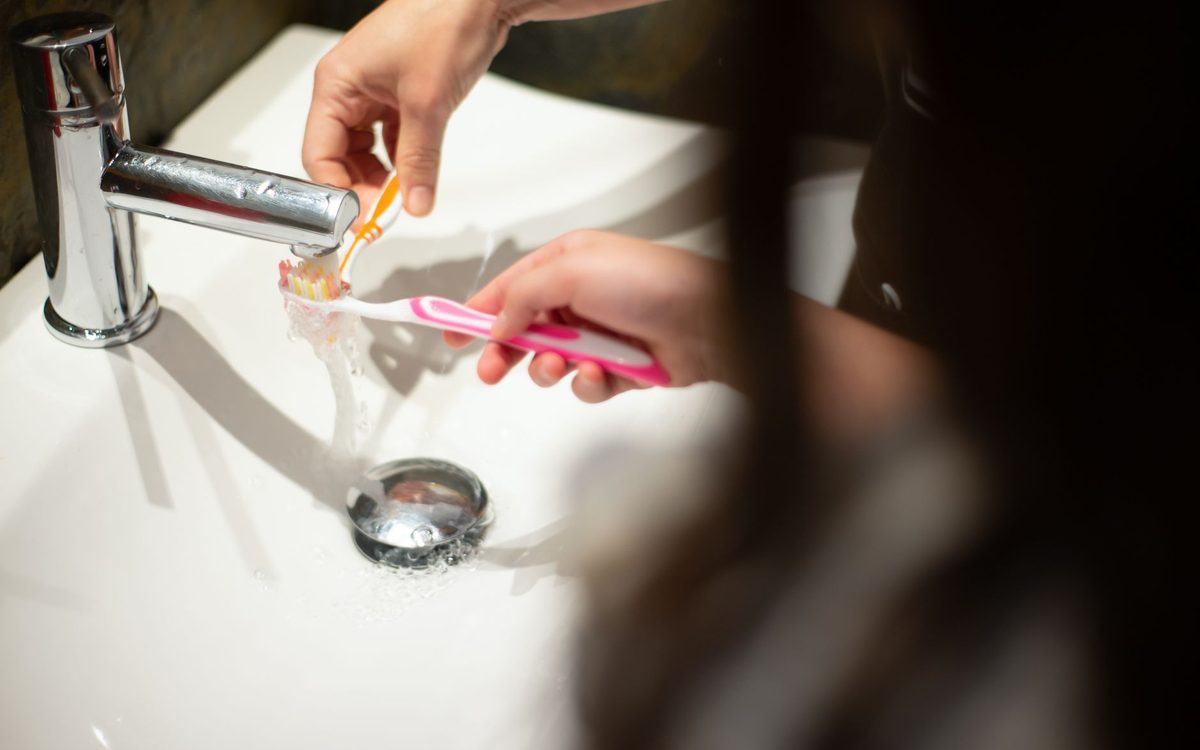
Floss or water flosser: which one actually works?
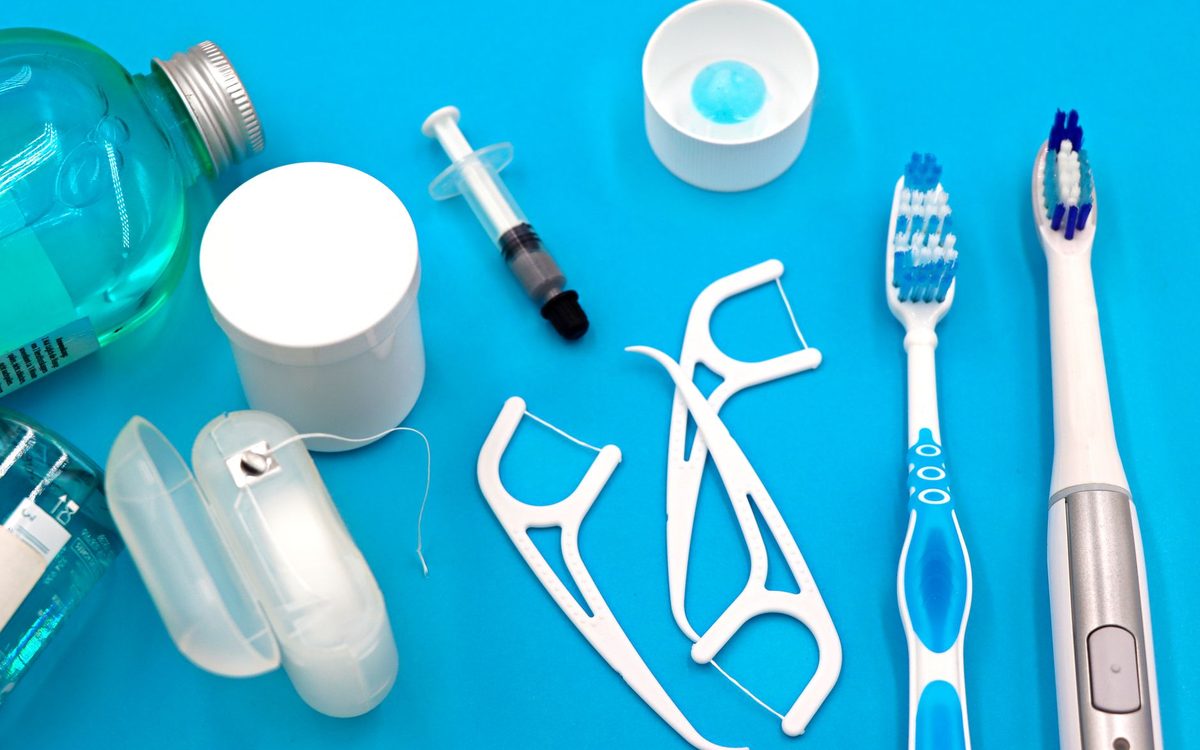
It is the question we hear most at the end of a cleaning. The honest answer: the one you will use every day is the one that works.
What cleaning between teeth is for
A toothbrush reaches three of the five sides of each tooth. The two sides that touch their neighbors are where most cavities start and where gums bleed first. Floss and water flossers both exist to reach them.
String floss
Floss scrapes the sticky film off the side of the tooth. Done well, it is the most thorough option and costs almost nothing. The catch is technique: wrap it in a C shape around each tooth and slide gently under the gum line.
The best routine is the one you still do on a tired Tuesday night.
Water flossers
A thin jet of water flushes food and loosens the film. They are easier for people with braces, bridges, implants or stiff hands, and many patients find them more pleasant, which means they keep using them.
Which should you choose?
If you already floss every day and your gums do not bleed, keep going. If flossing never sticks, or you wear braces, try a water flosser on its lowest setting and build up. Some patients use both: water at night, floss when something is stuck.
A two-minute routine
Brush for two minutes with a soft brush, clean between every tooth once a day, and spit rather than rinse so the fluoride stays on. Bring your flosser to your next check-up and we will show you the angle that suits your mouth.
Bleeding when you start is common and usually settles within a week or two. If it does not, book a gum check and we will take a closer look.